
Pickups
The ultimate vehicle to haul all your cargo needs.
What is a pickup?
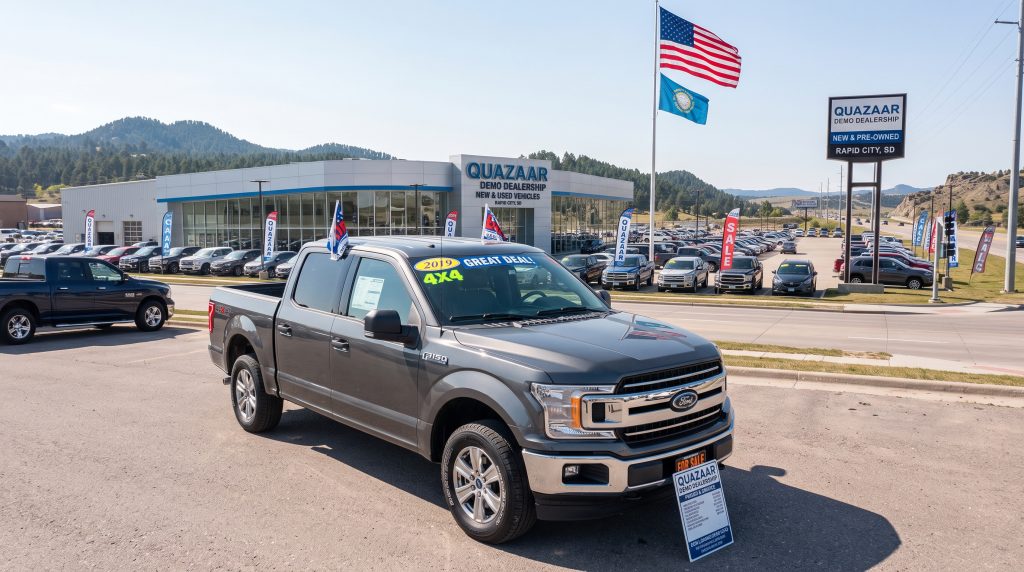
A pickup truck is a light-to-medium-duty motor vehicle specifically engineered with a two-part construction: a fully enclosed passenger cabin (cab) in the front and a separate, open-top cargo bed in the rear. Unlike SUVs or vans where the passenger and cargo areas share a single internal space, a pickup’s bed is structurally isolated from the cabin. This independent design allows the vehicle’s frame to flex under heavy loads without warping the passenger bodywork.
Modern pickup trucks serve as dual-purpose vehicles, balancing the utility of a commercial work horse with the premium comfort, advanced safety systems, and daily driveability of a luxury sedan.
Anatomy & Key Structural Components
- The Body-on-Frame Chassis: Most traditional pickup trucks use a ladder-style steel frame. The engine, transmission, suspension, cabin, and bed are all bolted directly to this rigid backbone. This provides maximum structural strength for pulling heavy trailers and enduring off-road abuse. (Some modern compact pickups utilize unibody construction, where the body and frame are integrated into a single piece for a smoother ride).
- The Cabin (The “Cab”): The fully enclosed front portion of the vehicle dedicated to passengers. Modern cabs are heavily insulated against road noise and can be outfitted with everything from bare-bones vinyl flooring for work crews to premium leather seats, expansive panoramic sunroofs, and high-definition infotainment screens.
- The Cargo Bed: The open-air rear section designed entirely for hauling cargo, messy materials, or oversized gear. It features raised sidewalls, a drop-down locking tailgate at the rear for easy loading, and heavy-duty tie-down anchor points. Beds are usually constructed from high-strength steel or aluminum alloys, and are often protected by durable plastic drop-in liners or textured spray-on coatings.
- The Powertrain & Drivetrain: Pickups are powered by a wide range of engines, including fuel-efficient turbocharged 4-cylinders, traditional high-torque V8s, pulling-optimized turbodiesels, and high-tech fully electric dual-motor setups. They are heavily biased toward Four-Wheel Drive (4WD/4×4) or All-Wheel Drive (AWD) systems with low-range transfer cases to handle mud, snow, and rough terrain.
Core Performance Metrics
- Payload Capacity: This is the maximum amount of weight a truck can safely carry inside its cabin and cargo bed combined. It dictates how many heavy items (like gravel, tools, or lumber) you can load directly into the back.
- Towing Capacity: This is the maximum weight the truck can safely pull behind it using a bumper hitch, a frame-mounted receiver hitch, or a specialized heavy-duty hitch anchored directly into the bed (known as a gooseneck or fifth-wheel hitch).
- Gross Vehicle Weight Rating (GVWR): The maximum total weight of the truck itself, including all passengers, fuel, cargo, and the downward tongue weight of a connected trailer.
Common Utility Add-Ons & Features
- Tonneau Covers: Hard or soft retractable covers that seal the open truck bed, protecting cargo from theft and inclement weather.
- Bed Multi-Tool Tailgates: Modern tailgates can do more than drop down; many can fold out into steps, serve as workbenches with built-in rulers, or drop down in split configurations to let you stand closer to the bed.
- Onboard Power Generators: Many newer trucks leverage their engine power or hybrid/electric batteries to turn the vehicle into a mobile generator, offering multiple high-wattage 120V or 240V outlets in the bed to run power tools, camping gear, or appliances.